
For decades, the very word “psychedelic” conjured images of counterculture rebellion and legal peril, relegated to the fringes of serious science. Today, in some of the world’s most respected research institutions, a profound and careful revolution is underway. Psychedelic-assisted therapy (PAT)—the controlled administration of substances like psilocybin (found in “magic mushrooms”) or MDMA within a structured psychotherapeutic framework—is emerging from the shadows. It represents not merely a new drug, but a fundamental paradigm shift in how we understand and treat some of the most debilitating mental health conditions: chronic depression, post-traumatic stress disorder (PTSD), and existential distress. This renaissance, fueled by rigorous clinical trials, is challenging orthodoxies, offering new hope, and navigating a complex landscape of profound promise and significant ethical nuance.
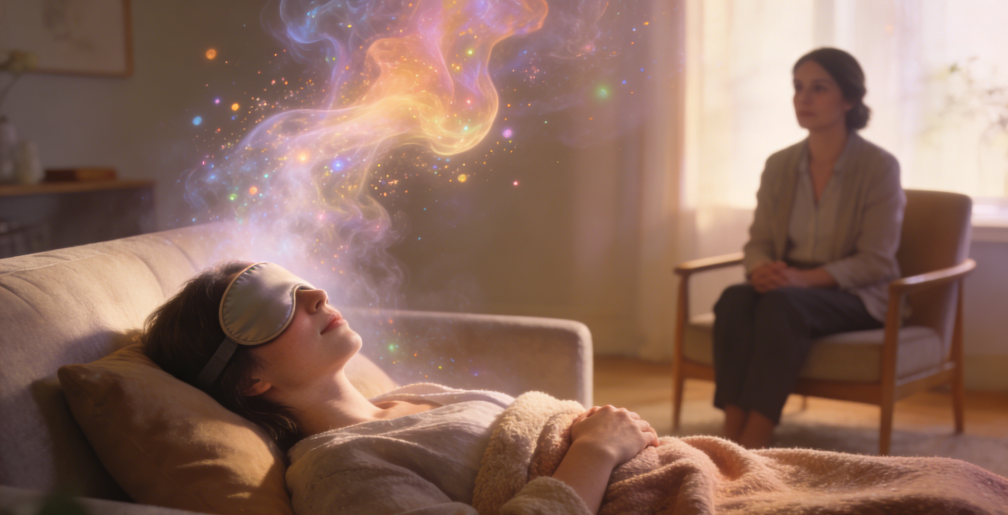
The failure of the current standard of care for many is the engine of this shift. While traditional antidepressants like SSRIs are essential for millions, a substantial subset of patients—classified as having treatment-resistant depression—find little relief. These medications often work by subtly modulating the day-to-day chemistry of mood, requiring long-term daily use to maintain effect. Psychedelic-assisted therapy operates on a different principle altogether: neuroplasticity and episodic intervention. Landmark studies from centers like Johns Hopkins and Imperial College London indicate that a single, or very few, carefully managed sessions with psilocybin, when paired with intensive psychotherapy, can produce rapid and sustained reductions in depression and anxiety that rival or exceed conventional treatments. The drug is not the therapy; it is a catalyst that opens a critical window for therapeutic work.
The proposed mechanism is as radical as the outcomes. Research using fMRI scans suggests that classic psychedelics like psilocybin temporarily reduce activity in the default mode network (DMN), a brain network associated with self-referential thought, the autobiographical “narrative self,” and rumination. In conditions like depression and PTSD, this network can become hyperactive, rigid, and entrenched—a mental “rut” of negative self-perception. The psychedelic experience appears to “dissolve” these rigid patterns, allowing for a state of heightened cognitive flexibility. As the old neural pathways quiet, new connections can form. This neurological “reset” is accompanied by often profound subjective experiences of ego dissolution, emotional release, and interconnectedness, which patients consistently describe as among the most meaningful of their lives. The role of the therapist is crucial here: they are not guiding the journey, but providing a safe, supportive “container” for the experience, and most importantly, helping the patient integrate the insights and emotional breakthroughs into their daily life in the weeks following the session.
For PTSD, the story is similarly transformative but follows a different pharmacological path. MDMA, often mischaracterized purely as a party drug, possesses unique properties that make it a powerful catalyst for trauma therapy. It increases the release of oxytocin and prolactin, hormones linked to bonding and trust, while simultaneously decreasing activity in the amygdala, the brain’s fear center. In the context of therapy, this creates a temporary state where patients can revisit traumatic memories with significantly reduced fear and defensiveness, and with an enhanced sense of safety and connection to the therapist. This allows for the therapeutic reprocessing of memory—not erasing it, but fundamentally changing its emotional texture and power. Phase 3 clinical trials sponsored by the Multidisciplinary Association for Psychedelic Studies (MAPS) have been so successful that they form the basis for the potential FDA approval of MDMA-assisted therapy for PTSD, perhaps as soon as 2024.
However, the path from breakthrough to mainstream is fraught with ethical and practical thorns. First is the issue of access and medicalization. There is a legitimate tension between the desire to deliver these treatments through a safe, regulated medical model and the concerns about creating a prohibitively expensive, exclusive therapy that replicates existing healthcare inequities. The extensive preparation and integration therapy required (often 30-40 hours per patient) poses a massive challenge to healthcare systems built on brief medication management appointments.
Second is the commercialization rush. As investment floods into the nascent “psychedelics sector,” there is a risk that the profound, spiritual, and human-centered origins of this work could be eclipsed by a race for patentable molecules and streamlined protocols. Ensuring that the therapeutic model—the “assisted therapy” part—remains central, and is not sacrificed for scalability, is an ongoing battle.
Third, and perhaps most delicate, is the management of expectation. Media coverage, often sensationalized, risks creating a “magic bullet” narrative. Psychedelic experiences are deeply variable and can be challenging; they are not a panacea and require significant psychological work. Furthermore, these substances carry medical risks (particularly for those with certain cardiovascular or psychiatric conditions) and demand rigorous screening and supervision. The model is inherently vulnerable; it relies on a sacred trust between a vulnerable patient in an altered state and the therapist, making robust ethical guardrails against abuse of power absolutely non-negotiable.
The renaissance of psychedelic-assisted therapy is, therefore, more than a clinical story. It is a cultural moment that forces a re-examination of consciousness, healing, and the limits of our current medical paradigms. It suggests that for some deep-seated psychic wounds, the solution may not be a daily numbing agent, but a rare, courageous voyage into the depths of one’s own mind, with a skilled companion and a molecule that opens the door. As it moves from research labs towards clinics, the greatest challenge will be to steward its immense potential with humility, preserving the integrity of the healing process while building the ethical and regulatory architecture it demands. The quiet revolution is speaking up, and it is changing the conversation about mental health from one of lifelong management to one of profound, transformative healing.







Discuss