
Forget the simple trackers of yesterday. The next generation of wearable technology is poised to become an invisible, intelligent layer woven into the fabric of our daily existence by 2025. This evolution transcends mere convenience, aiming to enhance our well-being, redefine our interactions, and expand our perception of reality. Based on emerging innovations, here is a glimpse into the defining trends that will reshape our relationship with personal technology.
Proactive Health Guardians: From Tracking to Predicting
Future wearables will evolve from passive data loggers into proactive health guardians. Advanced biosensors will enable non-invasive, continuous monitoring of biomarkers far beyond heart rate. The long-anticipated breakthrough in non-invasive glucose monitoring is expected to materialize, transforming diabetes care. Furthermore, devices will analyze subtle signals in sweat and skin interstitial fluid to assess electrolyte balance, cortisol levels for stress, and early inflammatory markers, providing alerts for hydration, rest, or a potential illness—effectively serving as a preemptive, 24/7 health companion that can share streamlined data with healthcare providers.
Ambient Intelligence: AI That Understands Context
Artificial Intelligence will transform wearables from reactive tools into context-aware partners. By learning your personal rhythms—sleep quality, activity patterns, calendar stress, and even vocal tone—these devices will move beyond notifications to offering anticipatory guidance. Your device might suggest an earlier bedtime based on your fatigue patterns, recommend a specific snack before a workout, or prompt a breathing exercise when it detects physiological signs of anxiety. This represents a shift toward technology that offers personalized, holistic support for both physical and mental resilience.
The Aesthetics of Invisibility: When Tech Disappears
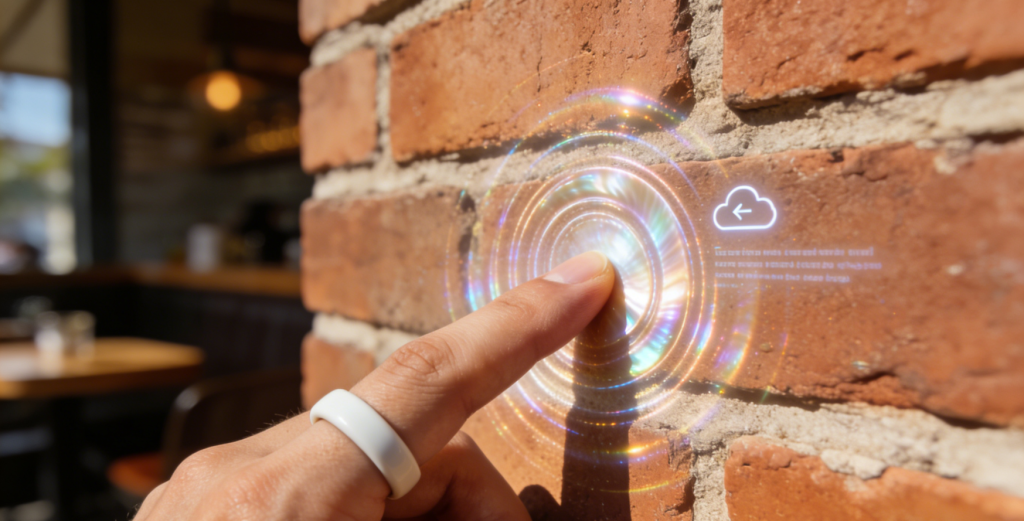
The clunky wristband will cease to be the default. The future belongs to discreet, elegant, and distributed wearables. Design will prioritize seamless integration: smart rings for sleep and payment, intelligent earrings with audio and biometrics, and sensor-laden clothing that monitors posture or gait. Utilizing ultra-flexible electronics, printed sensors, and soft materials, these devices will prioritize comfort and personal style, making technology an unobtrusive part of your wardrobe rather than a separate gadget.
The Integrated Self: Your Body as a Secure Hub
The wearable will become the central, secure token for identity and access. Beyond contactless payments, your device will authenticate you for transit, secure building access, and even start your car. Enhanced security via embedded biometrics (like ECG or vascular pattern recognition) will make this more secure than a physical card or phone. Your person becomes the key, simplifying daily transactions and interactions with the built environment.

Augmented Living: Blending Digital and Physical Realms
Lightweight, stylish Augmented Reality (AR) glasses will begin overlaying useful digital information onto the physical world—navigation cues, contextual translations, or historical facts about a landmark. For professionals, this means hands-free data visualization and lifelike remote collaboration. Concurrently, more ergonomic Virtual Reality (VR) wearables will offer deeply immersive experiences for training, education, and therapy, with haptic feedback adding the sense of touch. This trend points toward a future where digital augmentation enhances our perception and capabilities.
Sustainable and Self-Sustaining Design
Addressing energy and environmental impact is paramount. Future wearables will leverage advancements in low-power chips, energy-harvesting techniques (from solar, kinetic movement, or body heat), and solid-state batteries to significantly extend—or even eliminate—the need for wired charging. Sustainability will be core to design philosophy, featuring modular, repairable architectures and the use of recycled, biodegradable, and ethically sourced materials, aligning technological progress with ecological responsibility.
The Symphony of Devices: A Collaborative Ecosystem
Individual devices will operate not in isolation but as a synchronized ensemble. Your smart ring, earbuds, glasses, and even smart fabrics will form a cohesive body-area network, sharing data to provide comprehensive support. For example, detecting a stress response could trigger your earbuds to play calming soundscapes while your glasses dim notifications and your smartwatch guides you through a breathing exercise. This ecosystem will extend seamlessly to your home and car, creating a fluid, context-sensitive living environment.
Prioritizing the Mind: Mental Wellbeing as a Metric
Mental health monitoring will transition from novelty to norm. Wearables will incorporate validated metrics for emotional well-being, analyzing sleep architecture, speech patterns, social interaction frequency, and physiological stress correlates. Paired with companion apps, they will offer personalized cognitive behavioral techniques, mindfulness prompts, and mood tracking, potentially sharing anonymized insights with therapists to support mental health journeys with greater empirical insight.
The Big Picture: A Fundamental Shift
By 2025, wearable technology will cease to be an accessory and become an integrated extension of human capability. It promises a future where technology is less about screens and more about enhancing our innate senses, protecting our health preemptively, and simplifying our interaction with the world. This isn’t just about smarter gadgets; it’s about fostering a more intuitive, healthy, and connected human experience.







Discuss