
A profound and pervasive sense of weariness has become the silent soundtrack of our times. It transcends mere physical tiredness, lingering as a heavy fog that dims motivation, clarity, and joy. This condition, often dismissed as “burnout” or stress, is increasingly recognized as a complex syndrome rooted not just in overwork, but in the very architecture of modern life and our psychological response to it. To move beyond simplistic calls for “more sleep” or “better work-life balance,” we must decode the deeper psychological roots of chronic fatigue and master a new science of personal energy management.

Chronic fatigue, in its contemporary form, is frequently a symptom of cognitive and emotional overload, not simply muscular depletion. Our brains are perpetually engaged in a state of high-alert processing, bombarded by digital notifications, complex decisions, and a nebulous stream of global anxieties. This constant, low-grade cognitive drain depletes the same neurological resources required for focus, emotional regulation, and creativity. The mind, tasked with being a perpetual problem-solving machine, eventually signals systemic exhaustion.
At the psychological core, several key drivers fuel this cycle. First is the tyranny of “invisible labor.” Beyond formal job duties, we expend immense cognitive energy on “life admin,” emotional management of social networks, and the curating of a personal brand across digital platforms. This labor is relentless, undervalued, and seldom factored into our perception of workload, leaving us feeling inexplicably drained.
Second is the epidemic of anticipatory anxiety. The modern brain is often trapped in a state of forecasting potential threats—from economic instability to social friction—which activates the sympathetic nervous system. This constant, low-level fight-or-flight response consumes tremendous metabolic and psychological resources, leaving little in reserve. As one clinical psychologist specializing in stress disorders notes, “We are running a physiological marathon every day in response to threats that are statistical, not immediate. The body cannot sustain this state without demanding rest through fatigue.”
Third, and perhaps most insidious, is motivational conflict and values misalignment. Chronic fatigue often masks a deep-seated sense of meaninglessness or misdirection. When daily activities feel disconnected from core personal values or intrinsic motivation, they become psychic dead weight. The brain and body rebel against expending energy on pursuits that feel hollow, manifesting as profound lethargy. This is not laziness, but a form of existential protest.

Finally, the collapse of restorative boundaries has eradicated natural recovery cycles. The smartphone ensures the office lives in our pocket; streaming services offer endless, attention-demanding escape rather than true mental downtime. The brain lacks the crucial periods of “non-productive” activity—daydreaming, boredom, sensory engagement with the physical world—necessary for memory consolidation, emotional processing, and neural restoration.
Understanding these roots informs a sophisticated approach to Strategic Energy Management, which differs fundamentally from time management. It operates on the principle that human energy flows from four interconnected wellsprings: physical, emotional, cognitive, and spiritual. The goal is not to eliminate expenditure, but to create a sustainable cycle of investment and renewal in each domain.
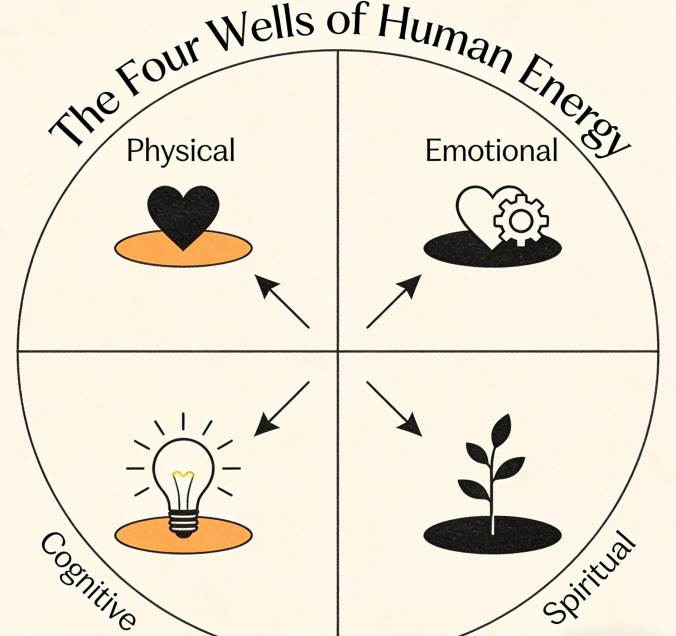
- Cognitive Energy Audits: This involves identifying and mitigating “energy vampires.” Techniques include designated “worry periods” to contain anticipatory anxiety, practicing single-tasking to reduce cognitive switching costs, and implementing strict digital boundaries to create spaces for undirected thought.
- Emotional Energy Cultivation: Fatigue is often a result of suppressed or unprocessed emotion. Strategies here include developing emotional granularity (naming specific feelings), engaging in activities that generate genuine positive affect (joy, awe, connection), and setting boundaries that protect against emotional exploitation.
- Values-Based Alignment: Energy expands for aligned action. Conducting a personal audit to ensure that major time investments reflect core values can be revolutionary. This might involve restructuring goals or re-framing necessary tasks to connect them to a larger personal narrative, transforming drain into sustenance.
- Ritualized Restoration: Intentional recovery must be scheduled and non-negotiable. This goes beyond sleep to include practices that actively restore each energy domain: physical (non-goal-oriented movement), emotional (creative expression), cognitive (mindfulness or nature immersion), and spiritual (meditation or community service).
The path out of persistent fatigue is not about working less in a quantitative sense, but about working differently. It requires shifting from an external, output-oriented model of productivity to an internal, energy-oriented model of sustainability. By diagnosing the psychological roots of our exhaustion and implementing a disciplined, holistic regime of energy investment and renewal, we can reclaim not just vitality, but the clarity and engagement that define a life fully lived. The antidote to the age of fatigue is not more rest alone, but more purposeful and protected energy.






Discuss