
In the hushed confines of a therapist’s office or the brisk efficiency of a doctor’s clinic, anxiety is most often framed as a malfunction. It is a disorder to be managed, a symptom to be quieted, a personal pathology of an overactive amygdala. The dominant cultural narrative urges us to calm down, practice mindfulness, and medicate ourselves into a state of acceptable function. But what if, for millions of people, the relentless hum of anxiety is not a sign of a broken brain, but of a breathing, perceptive conscience? What if it is a rational, even wise, internal alarm system ringing in precise response to the genuine perils of our time—a world of staggering inequality, ecological unraveling, and political instability? To deconstruct anxiety is to ask not merely “How do I quiet it?” but “What is it trying to tell me—and us—about the world we have built?”
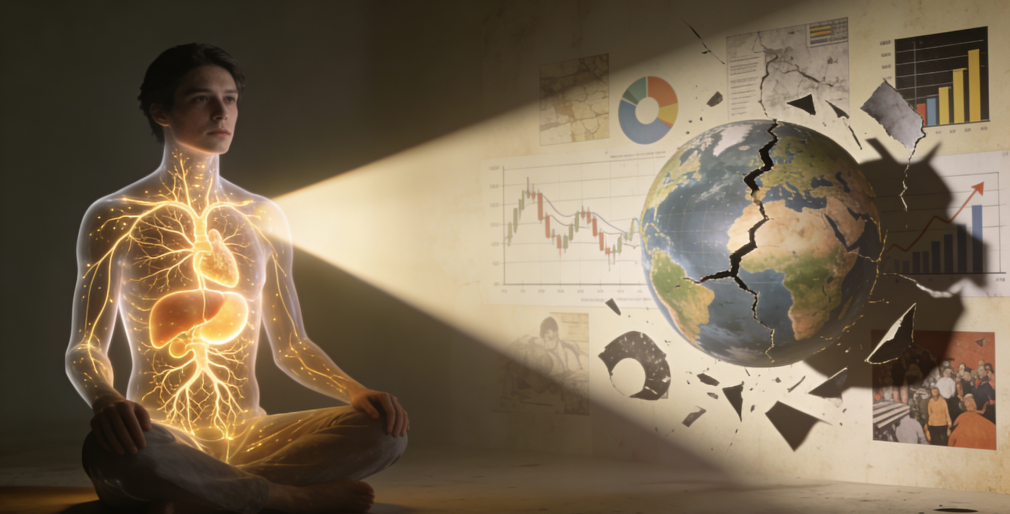
The medical model of anxiety, for all its utility in treating debilitating disorders, performs a critical act of depoliticization. It individualizes distress, locating the problem squarely within the person’s neurochemistry or cognitive distortions. The solution, therefore, becomes personal adjustment: regulate your emotions, correct your thoughts, restore your productivity. This framework conveniently obscures the external, structural sources of dread. It pathologizes the natural human response to living on a precipice. When a young person lies awake at night fearing a future of climate chaos and economic precarity, is that a “cognitive distortion”? Or is it a lucid assessment of available data? When a marginalized individual experiences hypervigilance in spaces of systemic bias, is that an “irrational fear”? Or is it a survival intelligence honed by generations of navigating threat?
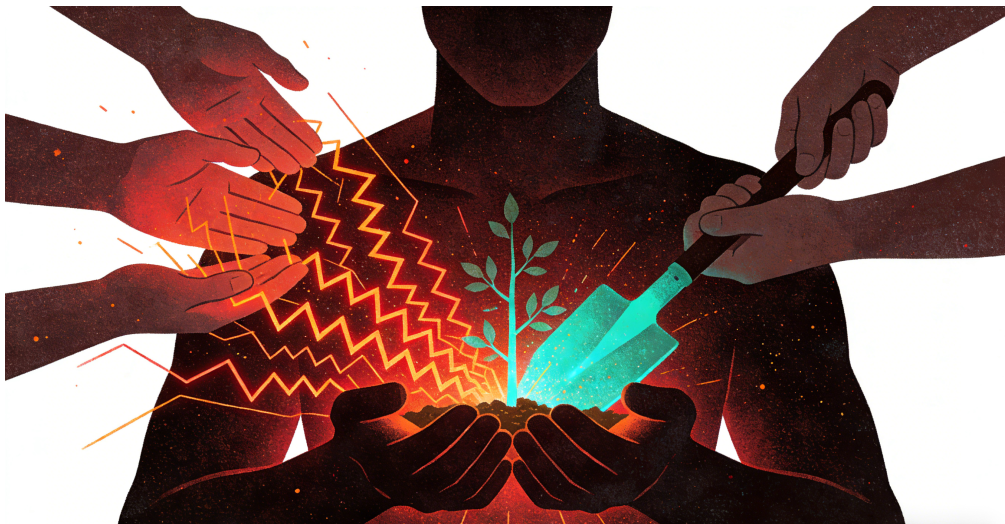
Anxiety, in this light, can be reinterpreted as a form of embodied social critique. The body keeps the score not only of personal trauma but of collective, ambient injustice. The chronic, low-grade anxiety pervasive today mirrors the very conditions of late modernity: overwhelming complexity, loss of control, and what sociologists call “the collapse of the future horizon.” Our economic systems predicate success on relentless competition and precarious labor, fostering existential insecurity. Our digital ecosystems trade on outrage and catastrophe, flooding our nervous systems with threats we are powerless to resolve. To be sane and empathetic in an insane and cruel world is necessarily to be anxious. The feeling is not the disorder; it is a sane reaction to a disordered reality.
This is not to dismiss the reality of clinical anxiety disorders, which can be paralyzing and require compassionate, professional treatment. The distinction lies between adaptive alarm and malignant overwhelm. An adaptive alarm signals a real, external threat and can mobilize protective action. It becomes pathological when the alarm gets stuck in the “on” position, ringing constantly regardless of context, eroding one’s capacity to function. The critical task, then, is not to smash the alarm, but to learn to interpret its signals accurately: Is this a fire in my kitchen, or am I smelling smoke from a forest fire a hundred miles away? One requires immediate, personal action; the other requires collective, systemic response.
The transformative potential lies in redirecting the energy of anxiety—away from inward spirals of worry and toward outward channels of meaningful action. Anxiety is energy. It is the body preparing for movement. The key is to harness that preparatory energy for purpose. This shifts the framework from “management” to “mobilization.”

The first step is social contextualization: naming the external demons. This involves consciously connecting personal feelings of dread to their structural roots—recognizing that the fear of not being enough is linked to a culture of toxic productivity, or that the fear of abandonment is exacerbated by atomized communities and shredded social safety nets. This act alone can be profoundly relieving, transforming a vague sense of personal failing into a clarified understanding of shared predicament. It is the difference between “I am broken” and “I am responding to a broken world.”
The second step is channeling the signal into solidarity. Isolation is the fuel of pathological anxiety; connection is its antidote. Finding or forming communities of care and action around shared concerns—whether a climate action group, a mutual aid network, or a labor union—serves a dual purpose. It validates the anxiety as a shared, rational response, and it provides a conduit for the anxious energy to become constructive. The helpless dread of watching a news report can metamorphose into the focused purpose of organizing a community clean-up or advocating for policy change.
The ultimate goal is to cultivate a pragmatic hope, distinct from naïve optimism. Pragmatic hope is not the belief that everything will be fine, but the conviction that our actions matter in the struggle for a better world. It acknowledges the scale of the threat while affirming the power of collective response. This kind of hope is a discipline, forged by taking action, however small, that aligns one’s values with one’s efforts. It transforms anxiety from a paralyzing endpoint into a navigational tool, a compass pointing toward what we care about enough to protect.
To reclaim anxiety as a wise response is to engage in an act of profound resistance against a culture that prefers sedated compliance to alert, engaged citizenship. It honors our nervous systems as sophisticated instruments calibrated to detect not only personal danger but collective moral injury. The goal is not a life free from anxiety, but a society that generates less legitimate cause for it. Until that day arrives, our collective unease is not merely a symptom to be silenced. It is a testament to our remaining humanity, a call to care, and the restless energy required to build a world worthy of a calmer future.





Discuss